0 artículo(s)
Ver cesta
No tiene artículos en su carrito de compras.


Running a campground means managing a lot of moving parts. But few systems carry as much consequence — financially, environmentally, and in terms of guest experience — as your sewer infrastructure. A neglected sewer system produces odors that drive guests away, risks that invite regulatory scrutiny, and failures that shut down sites at the worst possible moment.
This guide covers everything campground and RV park operators need to know about maintaining a functional, compliant, and guest-friendly sewer system — from underground infrastructure to the individual site connections that guests interact with every stay.
Most RV park sewer systems consist of a network of buried lateral lines connecting individual sites to a central collection point — either a municipal sewer main, a private septic system, or an on-site wastewater treatment plant. Each site has a riser pipe (typically 3" or 4" in diameter) that terminates at grade, capped between uses.
The design complexity varies widely. Smaller seasonal parks may use simple gravity-fed septic systems, while larger year-round operations often manage full aerobic treatment units or connect to municipal service. Regardless of system type, the site-level connection point is where most day-to-day management happens — and where most guest complaints originate.
The sewer cap at each site is your first line of defense against odor, pests, groundwater intrusion, and unauthorized use. An open or poorly sealed riser is an entry point for everything from rainwater (which dilutes and disrupts treatment capacity) to small animals nesting in your lateral lines.

Traditional rigid sewer caps have long been a pain point for campground operators. They get kicked loose, driven over, lost by guests, and cracked by freeze-thaw cycling. Each damaged cap is a maintenance call, a potential odor complaint, and — in flood-prone areas — a vector for untreated wastewater to back up into adjacent sites.
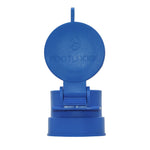
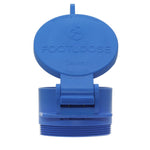
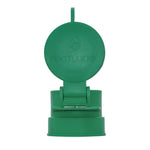
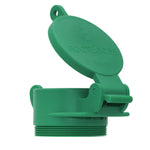
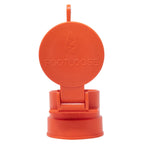
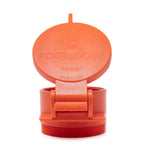
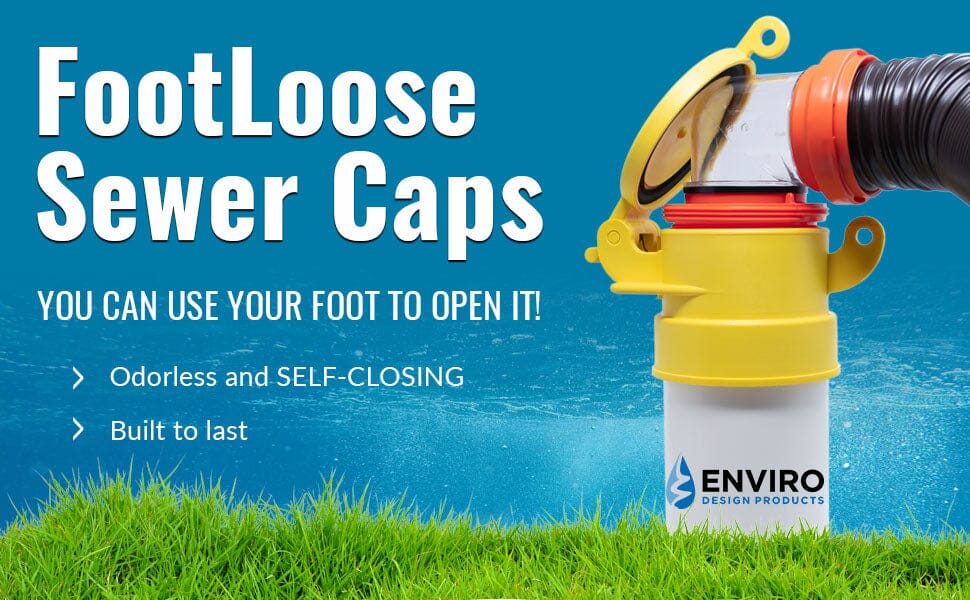
That's why operators across the country are upgrading to the FootLoose RV Site Sewer Cap — a hands-free, flood-resistant cap designed specifically for the rigors of campground use. FootLoose caps open automatically when the guest's sewer hose connector is inserted and seal automatically when it's removed. No touching, no tipping, no odor escape between connections.
Before your first guests arrive, run a full walkthrough of every site's sewer connection. Check each riser for ground heave or settling that may have misaligned the pipe, inspect cap condition for cracks or deformation, and flush each lateral line to clear any debris that accumulated over winter. This is also the time to replace any caps that were damaged or lost during the previous season.
Assign staff to walk the property at least weekly and visually inspect site riser caps. Look for caps that are ajar, cracked, or sitting askew — signs that a guest may have forced a connection incorrectly. Check for odors near hookups, which can indicate a failing seal. Keep a small supply of replacement caps on hand so maintenance can swap them immediately rather than leaving a site out of service.
Winterizing your sewer system protects both the underground infrastructure and the above-grade risers. Blow out lateral lines if you're in a freeze zone, cap all risers with appropriate winter-rated hardware, and document the condition of each site connection for your spring checklist. Parks in cold climates should also verify that risers are slightly above final grade to prevent snowplow damage.
Campground wastewater management is governed by a patchwork of federal, state, and local regulations. If your park connects to municipal sewer, your primary obligation is usually maintaining proper connections and preventing illicit discharges. If you operate an on-site septic or treatment system, you're subject to permitting, inspection, and in many states, effluent monitoring requirements.
The EPA and state environmental agencies focus particularly on parks that generate more than 5,000 gallons of wastewater per day — a threshold many medium-to-large campgrounds can hit during peak season. Staying compliant means keeping accurate pumping records, maintaining your system according to the manufacturer's schedule, and responding quickly to any signs of system stress such as surfacing effluent, slow drainage, or unusual odors near the drainfield.
If your park was built before the 4-inch riser became standard, you may be running 3-inch service at some or all sites. Upgrading those connections to accommodate modern sewer caps — particularly the FootLoose system — is straightforward with the right adapter hardware. Our detailed installation guide covers the step-by-step transition method for installing FootLoose caps on 3-inch pipes without excavation or riser replacement.

 Jeyree Reed