0 artículo(s)
Ver cesta
No tiene artículos en su carrito de compras.


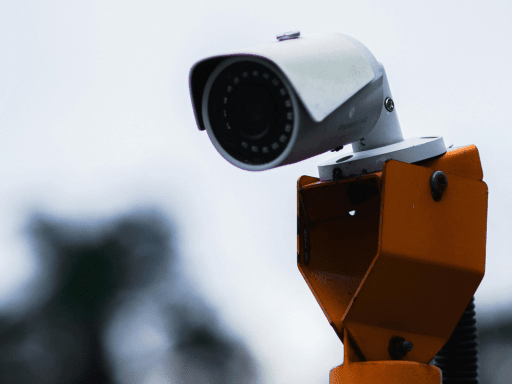
The modern RV park is no longer just a patch of gravel and a fire pit. Today’s campgrounds are essentially small, bustling municipalities. On any given holiday weekend, a mid-sized RV park might host millions of dollars worth of rolling real estate, hundreds of guests, and a complex network of underground utilities. With this evolution comes a pressing question for park owners and managers: Should RV parks have security cameras?
The short answer is yes. In an era where liability claims are high and expensive equipment is left outdoors, digital surveillance is rapidly becoming an industry standard. However, installing cameras is only half of the security equation. A camera can record a problem, but it cannot prevent one. At Enviro Design Products, we talk to campground operators across the country, and we have learned that true park security requires a hybrid approach. You need digital eyes on your property, but you also need physical, dummy-proof infrastructure that stops damage and theft before they happen.
The primary argument for installing security cameras in an RV park boils down to deterrence and liability. Campgrounds are transient environments. While the vast majority of RVers are respectful, community-minded travelers, the open nature of a park makes it vulnerable to crimes of opportunity. High-value items like portable inverter generators, electric bicycles, and expensive coolers are frequently left outside rigs overnight. The mere presence of clearly visible cameras acts as a powerful psychological deterrent to thieves cruising through the park.
Beyond theft, cameras provide vital protection against liability claims. Consider the high-traffic areas of your park: the entrance gate, the bathhouse exterior, and the communal dump station. If a guest accidentally backs their fifth-wheel into your utility pedestal and denies causing the damage, a camera aimed down the main roadway provides indisputable proof. Similarly, if a visitor slips on a wet pool deck or trips over a speed bump, video footage can protect the park ownership from fraudulent personal injury lawsuits. It removes the "he-said, she-said" from campground management and replaces it with objective reality.
One of the most frustrating challenges RV park owners face is the "dump station poacher." These are non-guests who pull into the campground directly off the highway, navigate to the communal dump station, empty their black and gray tanks without paying, and drive away. Often, because they are rushing to avoid detection, they leave behind unsanitary spills and fail to cap the sewer inlet properly. Make sure to follow state laws when installing cameras at your location.

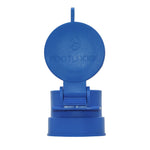
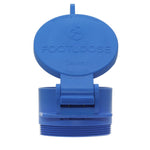
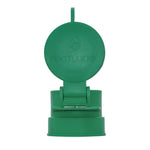
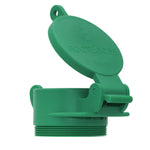
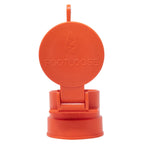
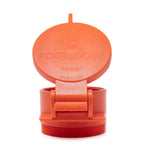
Positioning a dedicated security camera at the dump station is an excellent way to capture license plates and discourage this behavior. But again, the camera only records the mess; it doesn't clean it up or secure the pipe. This is where physical infrastructure takes over. By upgrading your dump station and individual site sewer connections to the FootLoose RV Sewer Cap, you eliminate the physical risks associated with rushed or careless dumping.
The FootLoose cap operates with a simple, hands-free foot pedal. When the poacher (or the paying guest) finishes dumping and pulls their hose away, they simply step on the pedal, and the heavy-duty cap snaps shut, creating a sanitary, odor-locking seal. Even if a camera catches someone speeding off, you won't be left dealing with an open sewer pipe that invites pests or emits foul odors across the campground.
While cameras offer tremendous benefits, they must be deployed with a strict respect for guest privacy. RVers travel to escape the feeling of being watched, and pointing a camera directly into a campsite can make guests feel like they are under a microscope. An RV is a private home, even if it is on wheels.
The most successful park operators follow a "perimeter and utility" surveillance strategy. Cameras should never be angled toward the living spaces, windows, or outdoor seating areas of individual campsites. Instead, focus your digital security on the park's arteries. Monitor the main entrance and exit to capture every vehicle that enters the property. Place cameras on the exterior of the bathhouses and laundry facilities, aimed at the walkways. Monitor the maintenance sheds, propane fill stations, and the office perimeter. By watching the infrastructure rather than the people, you maintain a secure environment without sacrificing the relaxed, private atmosphere your guests expect.
The fundamental limitation of a security camera is that it is a reactionary tool. If someone decides to steal a cast-iron manhole cover from your park's roadway to sell for scrap metal, the camera will give you a grainy video of a pickup truck driving away at 3:00 AM. Meanwhile, you are left with a gaping, highly dangerous hole in your asphalt that poses an immediate threat to early-morning walkers and vehicles.
True security requires infrastructure that defends itself. If you manage a large resort with extensive underground utilities, you must evaluate the materials you are putting in the ground. For areas vulnerable to tampering or theft, replacing traditional cast-iron lids with Composite Manhole Covers is a strategic security upgrade. Composite materials possess zero scrap value. A thief might lift the lid, realize it isn't metal, and move on. Furthermore, composite covers can be ordered with locking mechanisms, ensuring that only authorized maintenance personnel can access your critical sewer or electrical vaults.
The same logic applies to the park's private water supply. If your campground relies on a private well, that wellhead is the most critical piece of infrastructure on your property. A camera pointed at the pump house is good, but a Grip-N-Lock Well Cap is better. These heavily constructed, brightly colored caps secure the well casing with a tamper-proof locking system. They prevent unauthorized access, block environmental contaminants, and ensure that your guests always have access to safe, clean water. You don't have to rely on a camera to tell you if the well was compromised; the physical lock ensures it never happens.
To help campground owners conceptualize their security strategy, we recommend viewing your property through two lenses: Digital Observation and Physical Prevention.
| Security Goal | Digital Observation (Cameras) | Physical Prevention |
| Sewer Site Integrity | Records who hit the pedestal or left a mess. | FootLoose Cap: dummy-proofs the closure, preventing open-pipe hazards and odors. |
| Utility Access | Captures footage of unauthorized tampering. | Locking FootLoose: Can use a standard padlock to prevent entry. |
| Suministro de agua | Monitors traffic around the pump house. | Grip-N-Lock Cap: Physically seals the well head from vandalism and contamination. |
| Perimeter Control | Logs license plates entering and exiting the park. | Heavy-duty steel gates and barrier posts. |
Operating an RV park today requires a higher level of professionalism and risk management than ever before. Installing a comprehensive security camera system is a wise investment that will lower your insurance premiums, deter petty crime, and provide your guests with peace of mind. But do not let the presence of a camera lull you into a false sense of security.
The best way to protect your property is to build it tough from the ground up. Choose American-made infrastructure that can withstand the abuse of a busy summer season. Secure your utilities, dummy-proof your sewer connections, and lock down your water supply. When you combine the watchful eye of a modern camera system with the rugged reliability of commercial-grade hardware, you create a park that is not just safe to visit, but easy to manage.
At Enviro Design Products, we understand the unique challenges of campground infrastructure. We manufacture and supply the tools you need to harden your property against both accidental damage and intentional tampering.
 Jeyree Reed