0 artículo(s)
Ver cesta
No tiene artículos en su carrito de compras.



It's Memorial Day weekend. Your park is at 98% occupancy — 147 of 150 sites full. A family pulls into Site 83 with a 35-foot fifth wheel, three kids, and a golden retriever. The sewer cap is gone. Not broken, not flipped open — gone. Probably clipped by a mower last Tuesday. Your maintenance lead is off until Monday. The part-timer on duty has a bucket of mismatched caps in the shed, but nothing fits because you've been buying replacements from three different suppliers over the past four years.
Meanwhile, the family at 83 is standing in the gravel, hose in hand, staring at an open sewer pipe. That's the review you can't take back.
This scenario plays out constantly across the roughly 16,400 privately owned RV parks in the United States — a $10.9 billion industry where 78% of parks are independently owned operations running on thin margins and tight crews. The difference between a park that handles sewer infrastructure smoothly and one that fights it every weekend comes down to boring decisions made in the off-season: what cap you standardize on, how many spares you stock, and whether your replacement parts actually match what's in the ground. A FootLoose RV sewer cap bulk order is one of those decisions — and this guide covers how to plan it right.
Most sewer cap problems aren't dramatic — they're erosive. A cap cracks and nobody replaces it for a week. A guest leaves a connection open because the old screw-on cap is cross-threaded. Multiply that across a full season, and you've got a slow leak of guest satisfaction and maintenance hours.
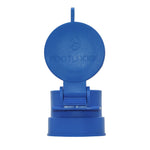
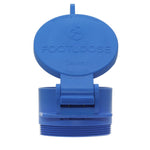
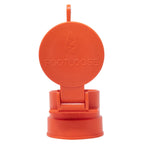
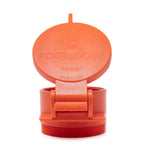
The FootLoose RV sewer cap was designed around how campgrounds actually operate. Three things set it apart.
The FootLoose cap opens and closes with a foot tap. No bending, no grabbing a cap that's been baking over a sewer pipe in August. When guests can close the cap with their shoe, they do. When they have to squat and twist a grimy disc by hand, they don't. Parks that switch to FootLoose see fewer "open sewer" calls on their maintenance radio.
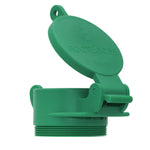
Built for 4-inch Schedule 40 PVC standpipes — the standard across most RV parks. They tap on with no threading, adhesive, or tools. Your crew can outfit an entire loop in an afternoon.
Every cap has a built-in lockout accepting a standard padlock or zip-tie. This matters when you close 40 sites for shoulder season and need connections sealed — or when you find evidence of after-hours dumping.
Here's what we see when a park calls us for the first time: they've been buying caps from whoever had them cheapest. The maintenance shed has a box of 15 caps from four manufacturers. Maybe half fit.
That patchwork has real costs:
Standardizing on a single FootLoose RV sewer cap bulk order eliminates all of this. Every cap fits. Every spare is the right spare. Your crew grabs and goes.
Get this right the first time so you're not placing a rush order in July.
Start with sewer-connected sites. Add dump station connections and any 4-inch PVC standpipes used for cleanout access. The number is usually 5-10% higher than your "official" site count.
Caps get clipped by mowers, backed over by fifth wheels, and occasionally leave with departing guests. A 100-site park should order 110-115 caps. Stock extras in the maintenance shed so a replacement is a 30-second task, not a two-week wait.
FootLoose caps come in male and female configurations. If your pipe is the receiver (female pipe), you need the male cap. If it's the insert (male pipe), you need the female. Snap a photo of your standpipe and send it to us — we'll confirm before you order.
Example: 150-site park order
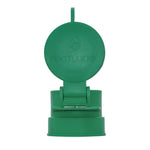
FootLoose caps come in multiple colors. This isn't about aesthetics — it's about running a tighter park.
Loop identification. Green on Loop A, blue on Loop B, black on Loop C. Maintenance crews can locate a work order by cap color. Guests get a visual anchor: "You're looking for a green cap, Site 34, second row on the left."
Tier coding. Premium full-hookup sites get one color; standard water-and-electric get another. Reinforces the distinction guests pay for and helps staff during turnover.
Park branding. Some operators pick a single color matching their signage. Every site, same cap. It's the quiet consistency that shows up in reviews as "well-maintained" — even though guests couldn't say what specifically looked good.
Whichever approach you pick, document your color assignments. The person placing orders three years from now needs to match what's already in the ground.
Peak season (Memorial Day through Labor Day): Leave caps unlocked. With summer occupancy pushing near 100% at popular parks, ease of use beats security. The foot-operated design keeps caps closed between uses.
Shoulder season: Zip-ties. Cheap, fast, and your crew cuts and replaces them in seconds as sections open and close. Keep a bag in every maintenance cart.
Off-season: Padlocks. For full closures, padlocked caps protect connections from debris, animals, and unauthorized dumping. Invest in a keyed-alike set — one key opens every cap in the park.
FootLoose caps handle UV, freeze-thaw, and campground life well. But plan for 5-10% annual replacement. The usual suspects:
For a 150-site park, keep 8-15 spares on hand and order a replenishment batch annually. The cost of spare FootLoose RV sewer cap inventory is trivial compared to an exposed pipe during a full weekend.
EDP offers volume pricing on FootLoose RV sewer cap bulk orders of 25 or more. We work with parks from 30-site seasonal campgrounds to 500+ site destination resorts.
Have these ready when you reach out:
Most orders ship within a few business days.
The parks that run smoothest aren't the ones with the biggest budgets. They're the ones that made the boring infrastructure decisions early, bought the right parts once, and stocked enough spares to never get caught short on a holiday weekend. This is one of those decisions. Make it, and move on to the problems that actually require your attention.